

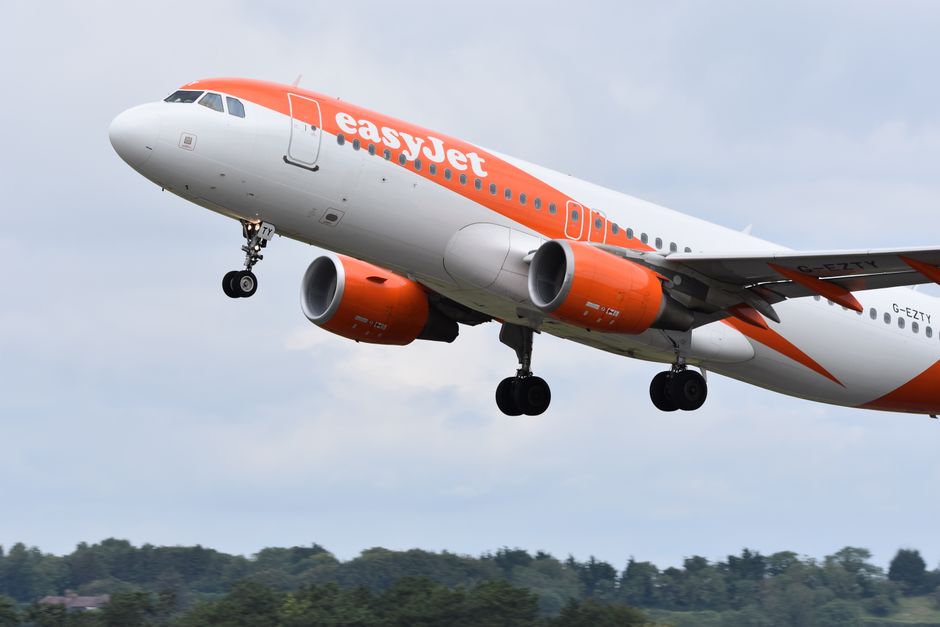
EasyJet, the low-cost carrier that fundamentally altered European short-haul travel, has emerged as a primary target for international acquisition. Sources indicate that US-based investment firms are evaluating a bid to take the airline private, marking a potential shift in the ownership structure of one of the UK’s most recognisable corporate entities.
The move comes as the aviation sector continues to navigate a complex macroeconomic environment. While travel demand remains resilient, airlines are grappling with volatile fuel costs and persistent inflationary pressures. Much like the Bank of England interest rates currently dictating the borrowing climate for domestic firms, the cost of capital is shaping how investors view long-term infrastructure assets.
For the aviation giant, a transition to private ownership would represent a radical departure from its public trading history. Such a transition would allow the company to pursue long-term restructuring strategies away from the scrutiny of quarterly earnings reports. This approach is increasingly common as capital-intensive industries look to consolidate and streamline operations to maintain margins in a high-cost environment.
However, any potential acquisition faces significant regulatory hurdles. Civil aviation in the UK and Europe remains subject to stringent ownership requirements, which often limit the stake that non-European entities can hold in domestic carriers. Any suitor would need to navigate complex legal frameworks to ensure the airline retains its operational licences and route access.
The appetite from US private equity reflects a broader trend of foreign capital identifying value within the British corporate landscape. Investors are increasingly looking past the current volatility to secure positions in established transport networks. Whether this interest will formalise into a concrete offer remains to be seen, but the speculation alone underlines the enduring market value of the low-cost model.
As professional investors monitor these developments, the outcome will likely hinge on the airline’s ability to defend its market share against both legacy carriers and emerging discount competitors. For shareholders, the prospect of a private buyout creates a moment of uncertainty, yet it also highlights the strength of the brand’s footprint in the competitive European travel market.