The integration of interior kitchen spaces with private outdoor areas has become a defining feature of modern British residential design. Recent trends across the country, ranging from the affluent suburbs of Cheshire to the repurposed barn conversions of Lincolnshire, highlight a shift in homeowner priorities. Property owners are increasingly investing in architectural solutions that dissolve the threshold between culinary spaces and the garden.
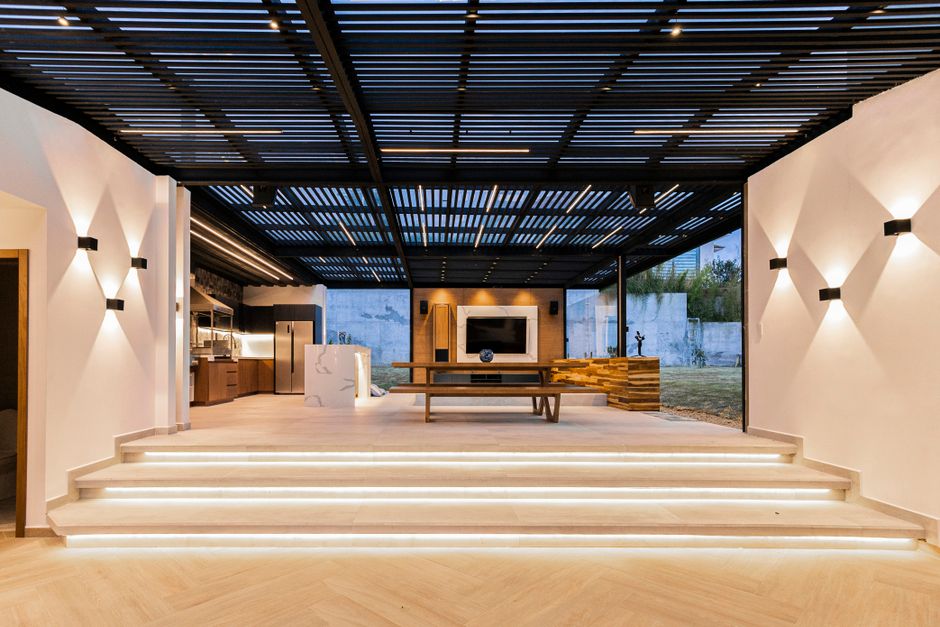
This design movement reflects a broader change in how professionals use their homes. As the kitchen evolves into the central hub for both work and social life, the ability to extend this living space into an al fresco environment offers a significant advantage in property valuation. For those navigating the current landscape, understanding how these structural improvements influence asset value is essential. Professionals looking to make informed decisions should consult our analysis on the UK housing market to contextualize these trends within the wider economic climate.
The technical execution of these spaces typically involves the installation of large-scale glazing, such as bifold or sliding steel-framed doors, which allow for a seamless transition between the indoor kitchen and patio. Beyond the aesthetic appeal, these features provide functional benefits by maximizing natural light—a premium requirement in contemporary real estate. In rural settings, such as barn conversions, the focus remains on maintaining the heritage of the structure while introducing modern, expansive glass walls that frame the surrounding landscape.
Investors and homeowners should note that this trend is not limited to high-end new builds. Increasingly, mid-market renovations are incorporating garden-facing kitchens to increase floor-space efficiency and appeal to prospective buyers who prioritize lifestyle-oriented property features. While the initial capital expenditure for such modifications can be substantial, the long-term impact on marketability often justifies the investment.
As remote and hybrid working arrangements continue to influence domestic requirements, the demand for properties that offer flexible, integrated living environments is expected to persist. Homeowners seeking to optimize their property for resale or personal utility should consider how light-filled, open-plan kitchen designs interact with outdoor spaces. As we observe the ongoing shift in the residential sector, this connectivity between the interior and the garden remains a key driver for both design innovation and long-term property demand.