
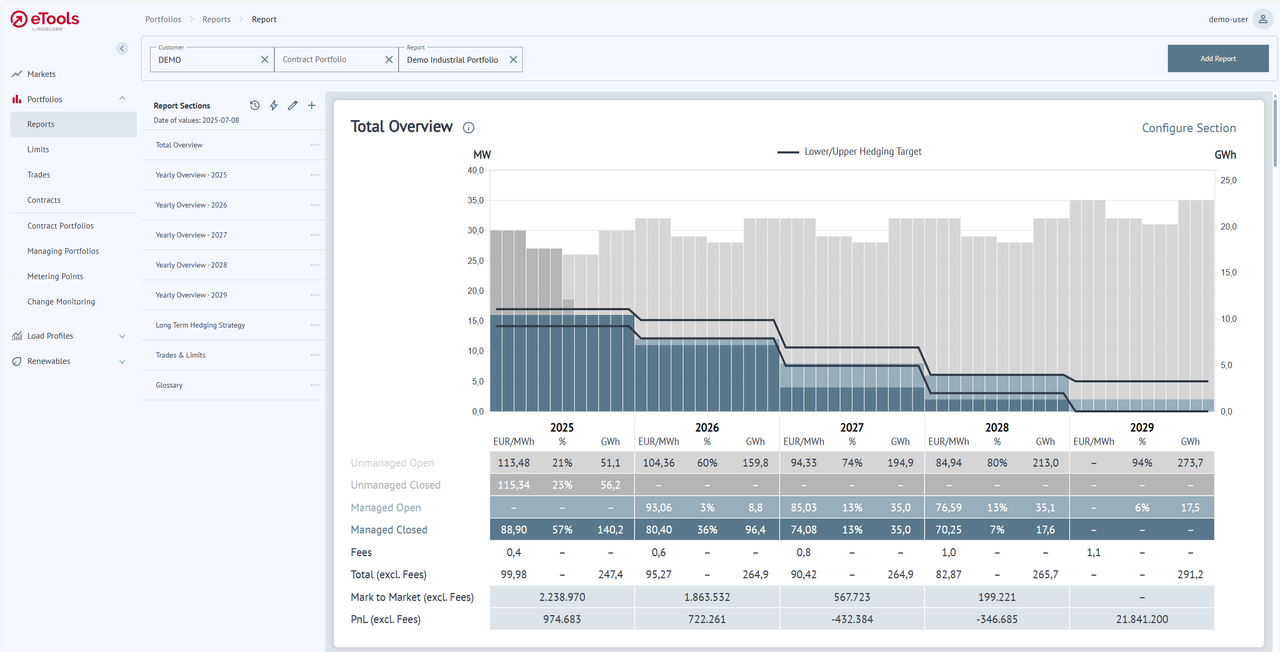
SaaS tools at work can reduce repetitive administration, improve collaboration and give teams access to specialist software without running their own infrastructure. But adding more software does not automatically make work more efficient.
SaaS tools at work should solve a real workflow problem
The most useful starting point is not the product catalogue but the process. Teams should identify where work is duplicated, where information is repeatedly copied between systems and where delays come from unclear ownership rather than a lack of technology.
Subscription bloat is a common problem. A project management platform, CRM, document-sharing tool and communication app may all overlap. Before adding another service, professionals should understand what existing tools already do and whether a new platform will remove friction or simply create another login.
British Careers has explored the same principle in our coverage of AI in the workplace: technology is most useful when it improves a defined task rather than becoming an end in itself.
The professional skills behind good SaaS use
Modern office roles increasingly reward people who can map a process, configure a tool sensibly, document how it should be used and recognise when automation introduces new failure points. That can matter in operations, marketing, finance, HR, customer support and project management.
API integrations can remove manual data entry, but they also require teams to understand what information moves between systems and who owns the process when something fails. Digital proficiency therefore means more than knowing where buttons are; it includes understanding workflows, permissions and data quality.
Security is part of everyday digital competence
Cloud software also creates shared security responsibilities. The UK National Cyber Security Centre guidance on SaaS security recommends that organisations assess providers, manage user access appropriately and understand how data is protected.
For ordinary professionals, this translates into practical habits: use approved services, protect accounts with strong authentication, avoid placing sensitive information in unapproved tools and understand who can access shared workspaces.
Knowing when to simplify the software stack
A mature digital workplace periodically reviews which subscriptions are actually used. Teams should look for duplicated functions, dormant licences, unnecessary premium tiers and workflows that depend on a fragile chain of integrations.
The strongest career skill is not collecting experience with dozens of branded platforms. It is being able to learn new systems quickly, understand the business process underneath them and make technology serve the work rather than the other way around.