

Purpose at Work UK has become a standard corporate talking point, yet most professionals quickly discover that glossy value statements evaporate the moment a budget gets tight or a project hits turbulence. Having spent decades sitting across from executive teams, I have watched countless leaders rehearse inspirational speeches about mission and integrity while quietly building operational systems that reward entirely different behaviours. The tension between what an organisation prints on its recruitment brochure and what it actually practises behind closed doors is rarely subtle once you know how to look for the structural seams. It is remarkably easy for a company to commission an expensive branding agency to craft a compelling narrative about changing the world. The real test of an enterprise happens long after the recruitment fair has ended, usually in the quiet moments when leaders have to choose between protecting their stated principles and protecting their immediate profit margins.
Not every professional enters the job market looking for a profound existential mission, and it would be a mistake to assume that purpose matters equally to every worker navigating the modern economy. Some people simply want a fair wage, clear boundaries between labour and domestic life, and competent management that does not manufacture daily crises. Yet for those who do care about aligning their daily efforts with an authentic organisational mission, separating marketing fiction from operational reality requires a careful eye for concrete signals. You cannot evaluate a firm’s commitment by reading its public relations releases or listening to rehearsed keynote addresses at industry conferences. Instead, you have to examine how leaders explain difficult trade-offs when things go wrong and whether everyday commercial incentives genuinely reflect the human ideals they claim to champion.
Reading the Commercial and Operational Signals
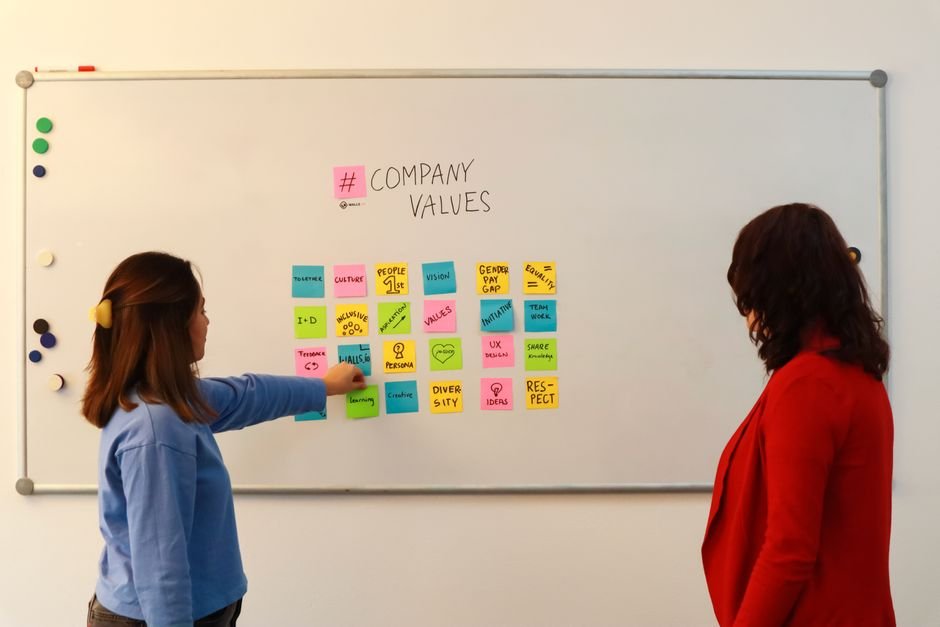
When leadership teams talk about their guiding philosophy, the most revealing moment is never the launch party; it is the quarterly review where financial targets have been missed. A genuinely purpose-driven business will openly discuss how it intends to balance commercial survival with its ethical obligations, acknowledging the friction rather than sweeping it under the rug. You can tell a great deal about a company by watching how its executives handle leadership under pressure when stakeholders demand short-term cost cuts that undermine long-term commitments. If leaders immediately abandon their stated principles the moment a single quarter dips into the red, those values were never anything more than decorative wallpaper. Conversely