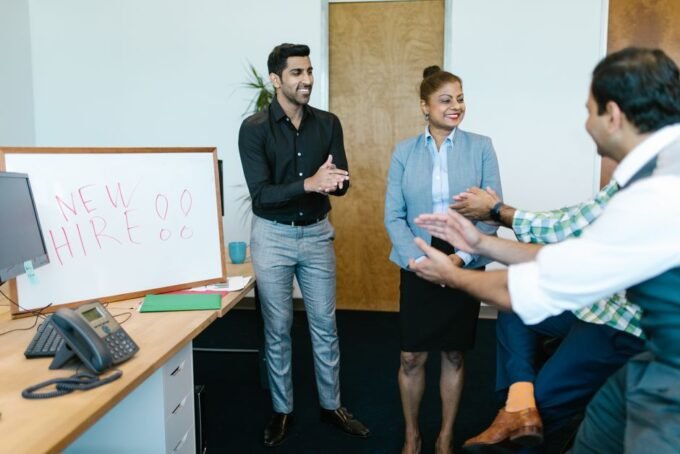

Intergenerational Workforce dynamics often reveal themselves not in formal boardrooms or structured strategy sessions, but in the quiet, awkward moments between desk rows when two colleagues try to agree on how to send a simple update. I watched a senior director hover over a twenty-something analyst last week, visibly frustrated because the younger colleague preferred an instant messaging ping over a scheduled face-to-face chat. We tend to pin these daily frictions on rigid generational labels, pretending that everyone born in a specific decade thinks and acts with a single hive mind. Yet spending any real time managing people across different life stages teaches you that age is often just one variable among many, frequently masking deeper questions about communication norms, technology adoption, and career pace. When you have four distinct age cohorts sharing the same physical and virtual office space, the leadership challenge is less about decoding age groups and more about building a resilient workplace conflict resolution strategy that addresses actual behavioural friction rather than lazy stereotypes.
Communication Norms and Technology Disconnects

The friction we see in modern offices rarely stems from malicious intent; it usually grows out of misaligned communication norms and differing relationships with digital tools. One employee might view an email as a sacred, formal contract requiring meticulous drafting, while another treats it like a fast-moving chat stream where typos are forgiven and speed is paramount. This divergence creates real operational friction, particularly when mixed-age teams try to collaborate on fast-paced deliverables under tight deadlines. Instead of throwing up our hands and blaming generational divides, smart managers look closely at how tools are deployed across the team. We must remember that as career paths lengthen and traditional retirement ages shift, professionals are navigating multi-decade trajectories that require continuous adaptation (Gratton, 2022). Standardising the communication channels for specific tasks—such as requiring project updates in a shared digital workspace rather than fragmented email chains—removes the guesswork and levels the playing field for everyone involved.
Career Pace and Knowledge Transfer Realities
Another major tension point lives in how different colleagues view career pace, ambition, and the accumulation of institutional knowledge. Some team members are laser-focused on rapid advancement and immediate feedback, viewing linear tenures as an outdated relic of the past. Others value steady, long-term stability and deep domain expertise built over twenty years of navigating industry cycles. This divergence becomes particularly delicate when addressing succession planning and long-term talent retention. By focusing on individual motivations rather than demographic buckets, leaders can create an environment where diverse perspectives strengthen the collective output rather than fracturing team cohesion.
References
Gratton, L. (2022) The 100-Year Life: Living and Working in an Age of Longevity. London: Bloomsbury Publishing.