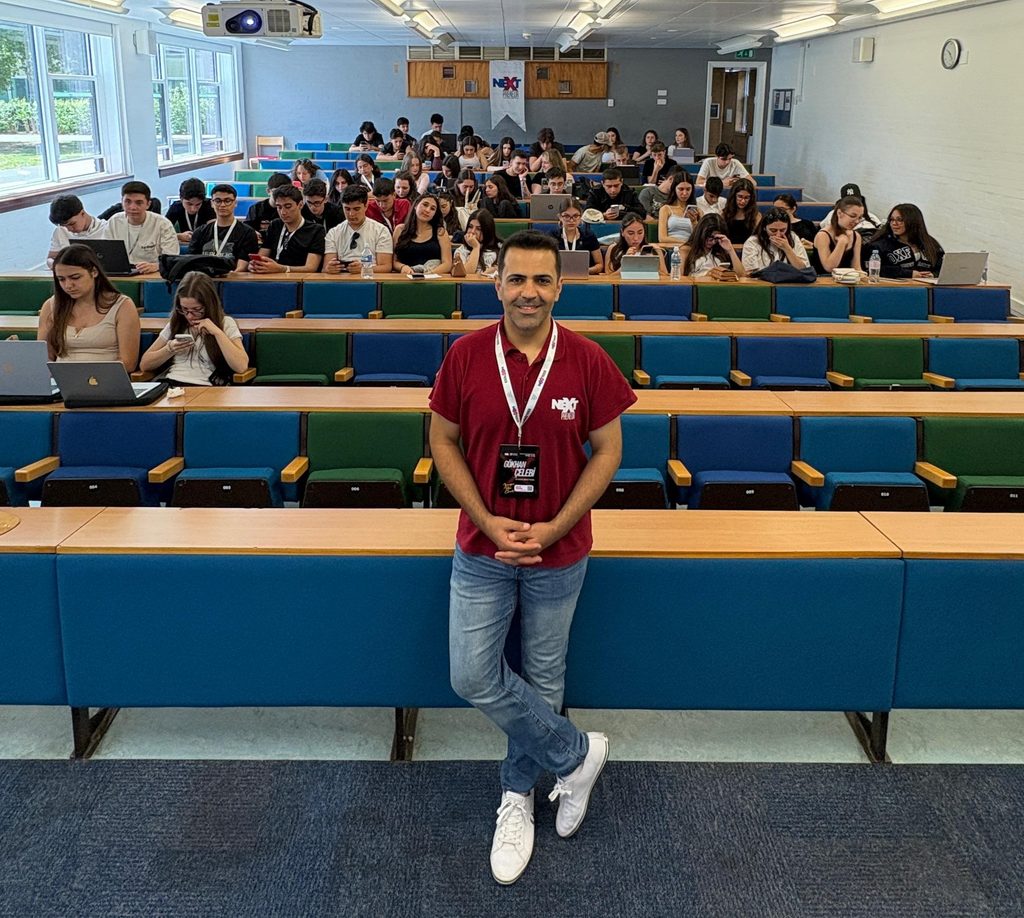

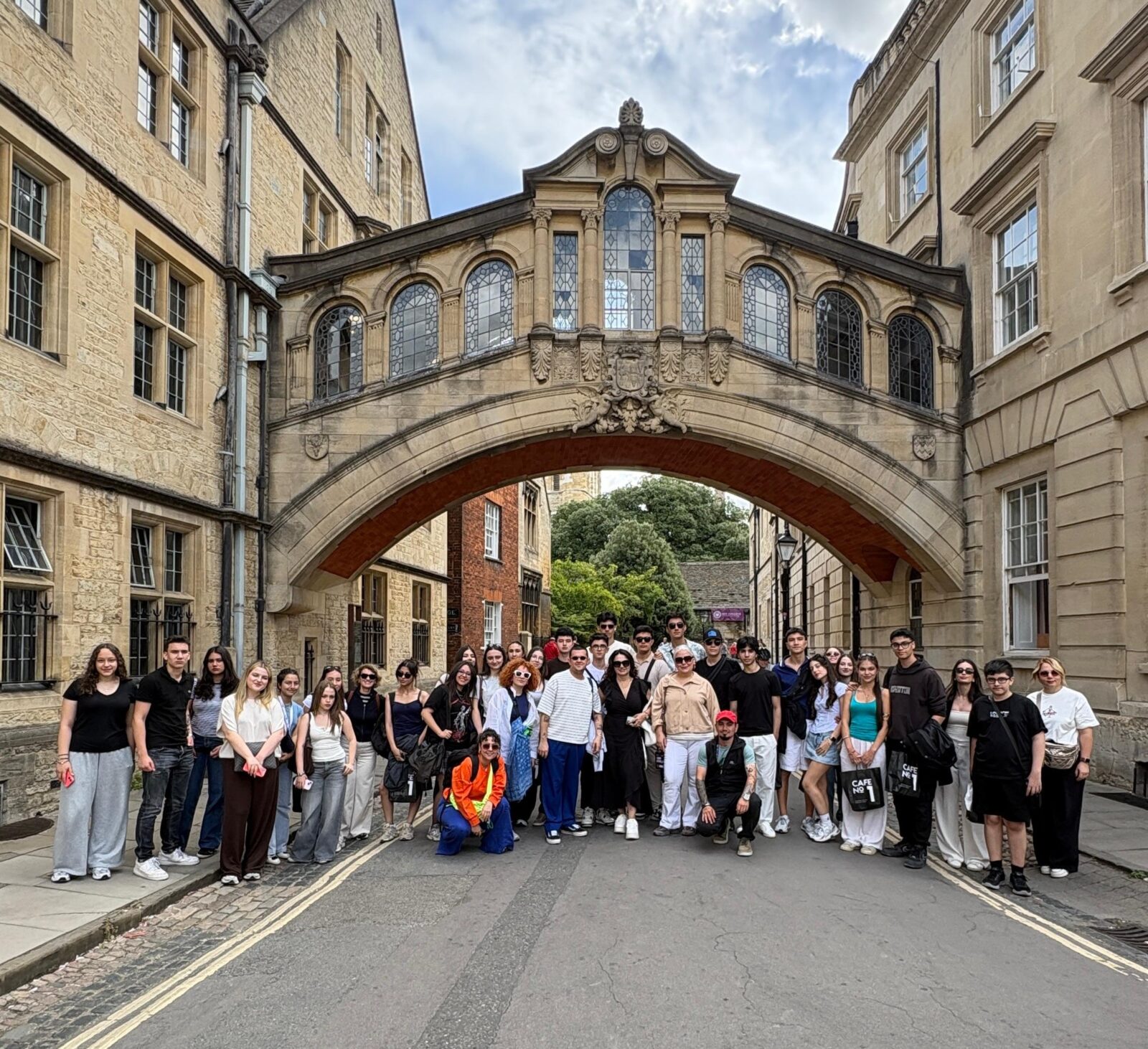
NextPreneur will return to the United Kingdom in 2027 with a global summit aimed at helping school-age students develop entrepreneurial thinking, practical problem-solving skills and international connections.
The NextPreneur UK Global Summit will take place from 27 June to 4 July 2027, following the organisation’s 2026 programme in Reading. The event is expected to bring together students, educators, mentors and members of the entrepreneurship ecosystem for a week of venture development, presentations, networking and cultural experiences.
Building skills for a changing world of work
The programme is designed around practical experience rather than business theory alone. Students are asked to identify real-world problems, explore who is affected by them, test assumptions, develop solutions and shape their ideas into potential ventures.
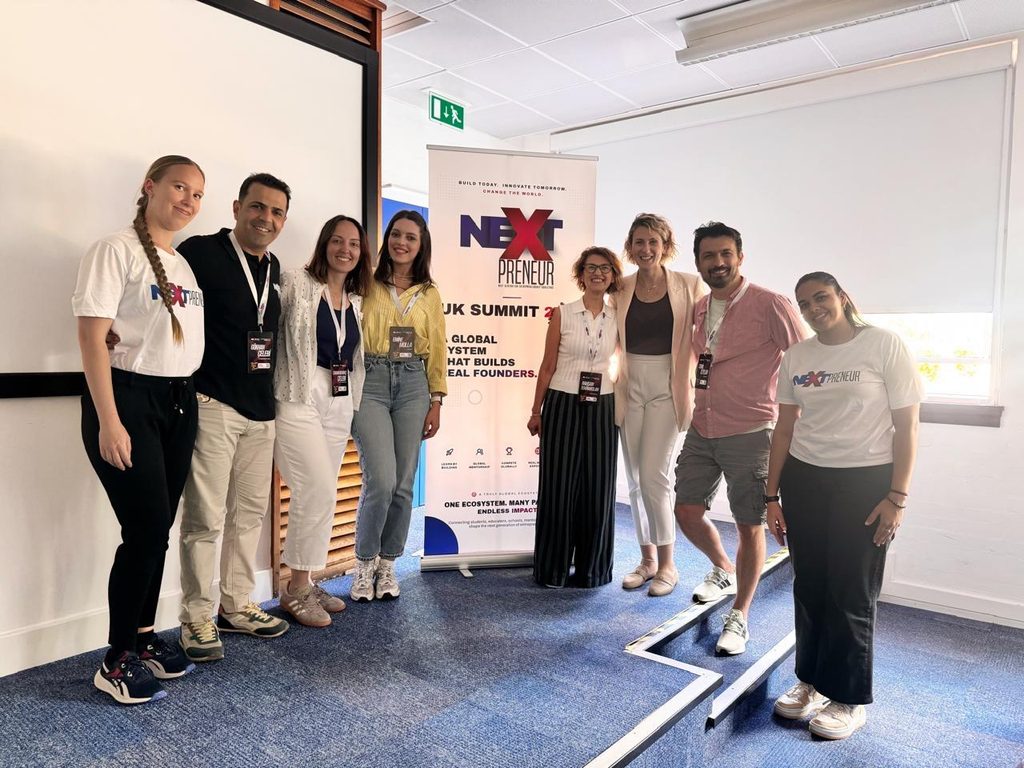
In the process, participants work on communication, teamwork, leadership, creativity and pitching. They can also develop projects across technology and artificial intelligence, social impact and sustainability, health and wellbeing, and business and consumer entrepreneurship.
These skills increasingly overlap with those expected in a changing labour market, where digital tools, adaptability and the ability to develop and communicate ideas are becoming more important across industries.
Gökhan Çelebi: “Entrepreneurship has no minimum age”
Founder Gökhan Çelebi says young people should not assume entrepreneurship begins only after university or once a professional career has started.
“Entrepreneurship has no minimum age. Young people are already surrounded by real problems, technology and new ideas. What they often need is the right environment to turn their curiosity into action.”
Çelebi said the programme focuses on the experience of creating something. Students identify a problem, develop and validate an idea, work with a team, create a business model and learn how to present their venture clearly.
He also said the international dimension gives participants a chance to meet entrepreneurs and mentors, present ideas in a broader environment and begin building global networks at an unusually early stage.
Where appropriate, selected venture ideas may also be introduced to experienced entrepreneurs or investors. Çelebi noted that the value of those interactions is not limited to possible funding; detailed questions, feedback and validation can help students see their own potential differently.
For NextPreneur, the objective is not to make every student a startup founder. Instead, the programme aims to help participants become more confident problem-solvers who can develop ideas, collaborate with others and recognise opportunities in a technology-driven future.