

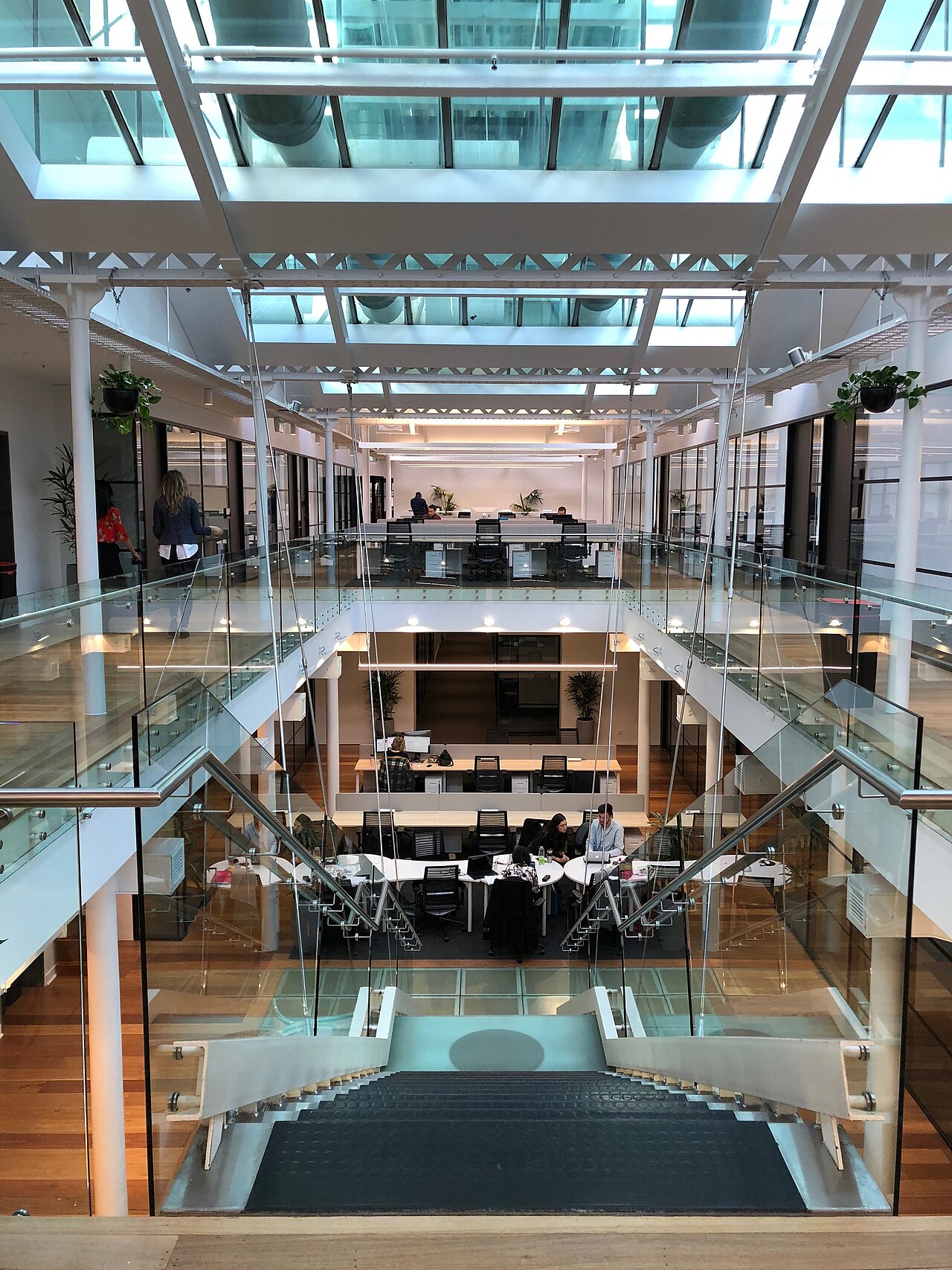
Co-working spaces are becoming a more established part of flexible professional life in Britain, giving freelancers, remote employees and distributed teams an alternative to working only from home or travelling to a central headquarters.
Co-working spaces now sit inside a wider hybrid-work pattern
Flexible work is no longer limited to a choice between home and a traditional office. Shared workspaces can provide meeting rooms, reliable connectivity, professional surroundings and social contact without requiring an employer or individual to take a long lease.
The Office for National Statistics continues to publish current data on working arrangements in Great Britain, reflecting the continued importance of hybrid and remote work in the labour market.
Why professionals use shared workspaces
The attraction is not purely about property. For someone who works remotely most of the week, a co-working space can offer routine, separation between work and home, access to other professionals and a place to meet clients or colleagues.
That can be particularly useful for freelancers, small teams and employees whose employers do not maintain offices near where they live. British Careers has also looked at the wider workplace question through green office design and employee experience.
The trade-offs are real
Shared workspaces are not automatically better than home or company offices. Membership costs, noise, limited privacy, desk availability and the quality of meeting facilities vary substantially between operators.
Professionals handling confidential information also need to think about screen privacy, calls, shared networks and where sensitive documents are stored. Employers should be clear about which types of work can be carried out in third-party spaces and what security controls apply.
What this changes for managers
For managers, the more important question is not where people sit but whether teams have clear expectations about availability, collaboration, documentation and performance. A distributed workforce can become harder to manage when those rules are vague, regardless of whether employees work from home, a co-working hub or a main office.
That also means co-working spaces should be evaluated as part of a broader working model rather than as a fashionable office perk. Location, commuting patterns, accessibility and the type of work employees actually perform matter more than design alone.
Co-working is becoming one option among several
The most realistic future is likely to be mixed. Some roles remain fully site-based, others can be hybrid, and some professionals may use shared workspaces only occasionally. Co-working spaces therefore matter to British Careers because they are part of how people organise professional life, not because they represent the future of commercial property.