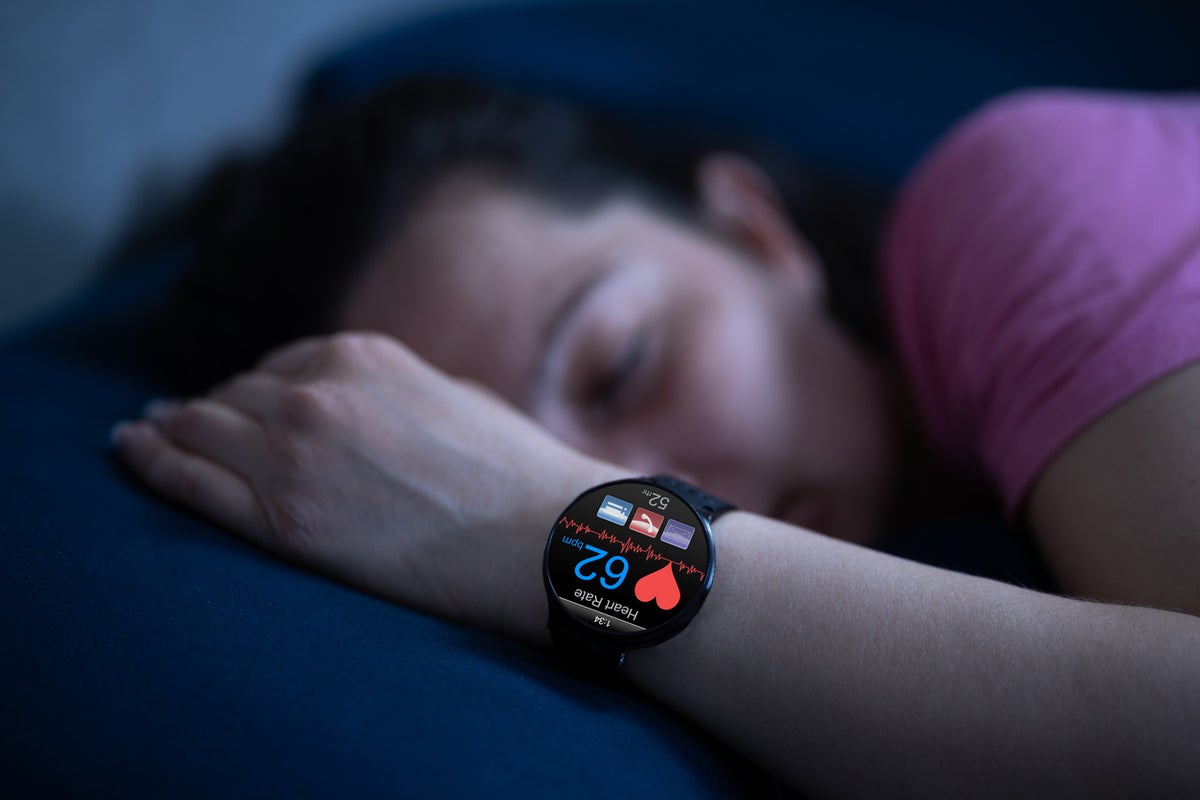
A collaborative study involving researchers from University College London (UCL) and Loughborough University has raised concerns regarding the design of modern fitness applications. The academics argue that the prevailing focus on static calorie counting and prescriptive exercise routines may be doing more harm than good for the average user’s long-term wellbeing.
The research points to a significant disconnect between the data-driven “gamification” of health and the complex, fluctuating reality of human physiology. By enforcing rigid targets, these digital tools often ignore the nuances of rest, recovery, and psychological health, potentially pushing users toward obsessive behaviour rather than sustainable fitness.
For the modern professional, these trackers are often viewed as essential productivity tools for physical health. Yet, the reliance on binary metrics—did you meet your goal or not?—mirrors the same pressures seen in high-stress corporate environments. Much like the current shift toward AI in the workplace, where automation needs human oversight to be effective, fitness algorithms are currently operating with too little context regarding individual user limitations.
The tech industry has long sold us on the idea that if we can measure it, we can master it. However, this study suggests that the “quantified self” movement has reached a plateau of utility. When software dictates health outcomes based on generic benchmarks, it overlooks the diverse needs of different body types and lifestyle constraints.
This critique serves as a wake-up call for health-tech developers. As the market matures, users are likely to demand systems that prioritise intuitive wellbeing over simple, data-heavy dashboarding. Whether this leads to a shift in how these companies position their products remains to be seen, but the narrative that a tracker is an infallible medical authority is certainly beginning to fray.
Ultimately, professional life requires a balanced approach to physical health that avoids the burnout trap. As businesses evaluate the efficiency of their internal systems, they might also consider whether the digital tools marketed to their employees are truly serving their health, or merely adding another layer of anxiety to the daily grind.