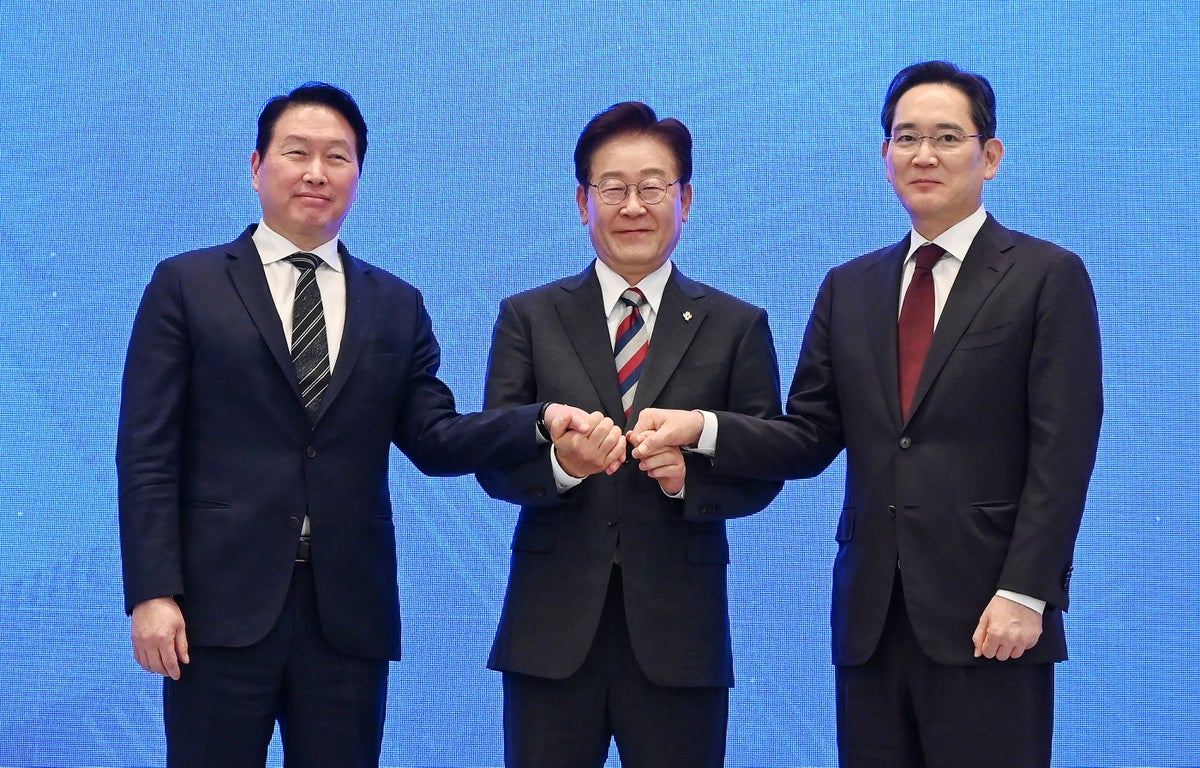
South Korea has unveiled a staggering $1 trillion investment roadmap aimed at cementing its dominance in the semiconductor and artificial intelligence sectors. The government’s sweeping strategy involves heavy subsidies, infrastructure development, and tax incentives designed to bolster the nation’s technological infrastructure over the coming decade.
The state-led initiative targets a significant expansion of production capacity, with a clear focus on the race for next-generation memory chips and AI processing hardware. By streamlining regulatory hurdles and pouring capital into R&D, officials in Seoul are attempting to shield their national champions from intensifying competition with China and the United States.
Despite the sheer scale of this fiscal commitment, the response from the financial markets has been lukewarm at best. Shares in Samsung Electronics—the jewel of the South Korean tech industry—dipped by four per cent shortly after the announcement. Investors appear less concerned with long-term government promises and more focused on the immediate, grinding realities of the global chip glut and the company’s sluggish transition into the high-bandwidth memory (HBM) market required for modern AI infrastructure.
From where I sit, the gap between a government’s “megaproject” press release and the actual quarterly performance of a massive firm is often cavernous. While the state is throwing its weight behind these sectors to stave off geopolitical irrelevance, the reality for Samsung is that capital expenditure alone doesn’t fix technical delays or market-share erosion. Pouring billions into factories is easy; ensuring those factories can outmaneuver competitors in a rapidly shifting AI landscape is entirely different.
For UK-based professionals and investors monitoring the supply chain, this move highlights the intensifying global “chip nationalism” that will define the next decade. As countries move from free trade to state-backed industrial policy, the cost of entry for tech firms continues to skyrocket. Companies relying on Korean semiconductors will likely see increased supply stability in the long run, but in the short term, the volatility of these corporate giants serves as a reminder that even trillion-dollar pledges cannot insulate tech stocks from the harsh laws of market supply and demand.